
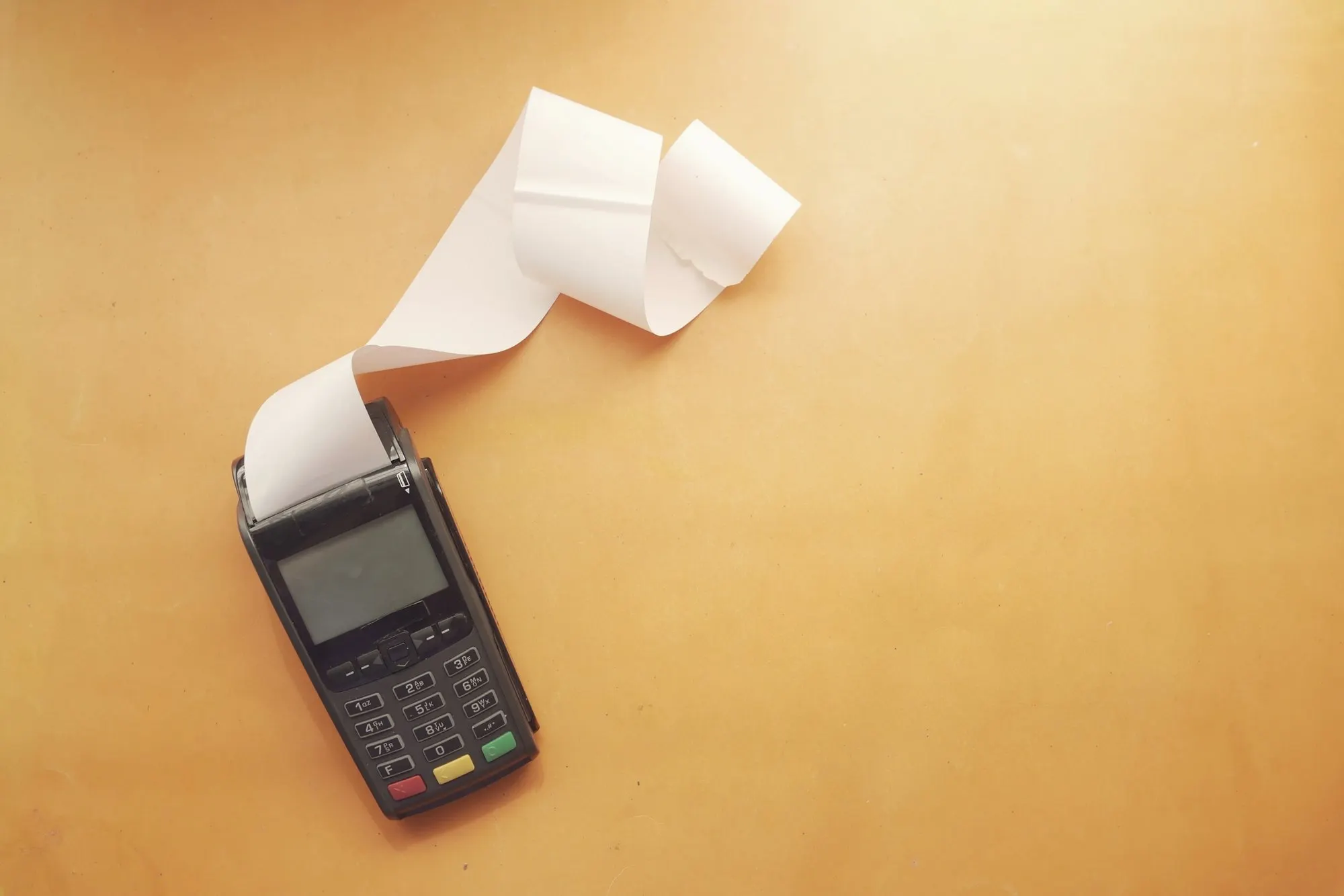
Short answer: a good ATM processing company keeps your machine connected to the banking networks, settles the money to your bank account on a predictable schedule, shows you every transaction in a report, and answers the phone when something breaks. To choose one, compare four things: the fees per transaction, the settlement timing, the support you can actually reach, and how easy it is to leave. The processor is one link in the chain described in how an ATM machine works.
This guide is for owners of merchant-owned machines and anyone thinking about buying one. If you’d rather not deal with processing at all, free ATM placement means BayTM owns the machine and handles it for you. (This is about ATM processing, which routes cash withdrawals from your ATM. It is not card payment processing for your register.)
What an ATM processor actually does
Every ATM needs a processor. When a customer uses your machine, the processor:
- Receives the request from the ATM over its internet or cellular connection.
- Routes it through the card networks to the customer’s bank, which approves or declines.
- Tells the ATM to dispense (or not) and prints the receipt.
- Settles the funds: the amount dispensed plus your surcharge go back to your business bank account, minus the processor’s fees.
- Reports every transaction, so you can check volume and reconcile.
You never see most of this until something goes wrong, which is why the processor decides how reliably your ATM earns. For the bigger picture of owning a machine, see how much an ATM costs for a business.
ISO vs. sponsor bank vs. “direct” processor
You will hear these terms in sales calls:
| Term | What it means | What to ask |
|---|---|---|
| Sponsor bank | The bank that holds the relationship with the card networks and is responsible for the ATM program | Which bank sponsors my ATM, and can I see how settlement flows? |
| ISO (independent sales organization) | A company that sells processing, support and sometimes equipment under a sponsor bank | Who do I call, and who is on the other end? |
| Direct processor | A processor that routes transactions itself rather than reselling someone else’s service | Do you own the support team and the reporting? |
None of these is automatically better. A small ISO with real people and clear terms can beat a large one that routes you through a call center. Judge by the answers to the nine questions below.
Nine questions to ask before you choose
1. What are all the fees, line by line?
Ask for a written list. Common lines include a per-transaction fee, a monthly fee per machine, a reporting or portal fee, a statement fee and a setup fee. A low per-transaction price can be offset by monthly charges, so add them all up for your expected volume. Fees depend on your setup and volume, so a trustworthy provider quotes them before you switch, not after.
2. What is the settlement schedule?
You want to know the cutoff time, how many business days until funds land in your account, and how weekends and holidays are handled. A common pattern is daily settlement on business days, with weekend activity settling the next business day, but confirm it for your bank. Slow settlement ties up your own cash if you load the machine yourself.
3. Who do I call when it can’t connect?
Test it: call the support line before you sign. Is it answered by a person, and is it open when your business is busy? “Temporarily unable to dispense” on a Saturday night costs you transactions, so the hours matter as much as the fees.
4. What does the reporting show?
At a minimum: transactions by day, approved and declined counts, surcharge totals, settlement amounts and machine status. Good reporting lets you spot a problem (like a rising decline rate) before customers complain.
5. Does it monitor the machine?
Look for alerts on communication errors and low cash. A processor that notices the machine went offline at 6pm is worth more than one you learn about from an angry customer.
6. Will it support my machine?
Processors must meet network requirements, and older terminals may need an upgrade. Tell the provider the make, model and age before you commit. BayTM supports current Hyosung and Genmega models; if you’re choosing between them, read Hyosung vs. Genmega.
7. What does the contract say about leaving?
Check the term, auto-renewal, early-termination fees and who owns the terminal’s configuration. Some contracts make switching expensive on purpose. A short term with clear exit terms is a good sign.
8. Can it handle more than one machine?
If you plan to add machines, a single processor and a single report saves time. Ask what changes in pricing and reporting at two, five or ten machines.
9. Can it also help with cash loading and repair?
Processing is only one piece of running an ATM. Many owners also need cash loading and repair. One provider for all three means fewer hand-offs when something breaks. For a longer checklist on picking a partner, see How to choose a Bay Area ATM provider.
Red flags
- Fees only on request, or “it depends” with no written quote.
- No phone number for support, or a number that goes to voicemail.
- Vague settlement timing (“a few days”).
- Heavy early-termination fees, or a contract that auto-renews for years.
- Pressure to buy equipment you don’t need.
When switching makes sense
Switching is worth a look if settlements arrive late, support is hard to reach, your reports are thin, or your fees are higher than a written quote from another provider. Before you switch, check your current contract, confirm your machine is supported, and ask how the changeover is tested so you never have a day when the ATM is down.
Don’t want to deal with processing?
Owning an ATM means managing processors, settlement, cash and repairs. If you’d prefer none of it, BayTM places and runs machines at no charge to the business: no monthly fee, no minimum transaction volume, and BayTM handles cash loading, support and repairs. See how ATM placement works and free placement vs. a merchant-owned ATM.
If you do own a machine, BayTM offers ATM processing for merchant-owned Hyosung and Genmega ATMs in California and nationwide, with fees quoted before you switch.
Ready to get an ATM with nothing to manage? Request a free location review or call (510) 747-8021.
Frequently asked questions
What does an ATM processing company do?
An ATM processor connects your machine to the banking networks. When a customer inserts a card, the processor routes the request to the cardholder's bank, returns an approve or decline, and later settles the money (the amount dispensed plus the surcharge) back to your bank account. It also supplies reporting and, usually, support when the machine can't connect.
Is ATM processing the same as credit card processing?
No. ATM processing handles cash withdrawals and balance inquiries on your ATM. Card payment processing handles sales at your register. They are separate services, usually from separate providers, even when one company offers both.
What is the difference between an ISO and a sponsor bank?
A sponsor bank is the bank that holds the relationship with the card networks and is responsible for the ATM program. An ISO (independent sales organization) is a company that sells processing and support under that bank's sponsorship. Many processors are ISOs. What matters to you is who answers the phone, who controls settlement and what the contract says if you want to leave.
How long does ATM settlement take?
It depends on the processor and your bank. Many settle on a daily schedule on business days, with weekend and holiday activity settling on the next business day. Ask for the cutoff time and the typical delay to your specific bank account before you sign.
Can I switch ATM processors?
Often yes. The terminal usually needs to be reprogrammed and tested, and some older machines may need an upgrade to meet current network requirements. Check your current contract for early-termination terms first. BayTM can tell you whether your machine is supported; see ATM processing.
Do I need an ATM processor if BayTM places the machine for free?
No. With free placement, BayTM owns the machine and handles processing, cash loading and service, so you have nothing to set up or pay for. This guide is for people who own an ATM themselves or are thinking about it.